If you searched for Amboseli safety news this week, you likely found the same headline everyone else did. That headline covered a die-off of elephants inside the park, plus an investigation by the Kenya Wildlife Service (KWS). It also covered a Kajiado County declaration calling the situation a “One Health Emergency.” That is a lot of alarming language for anyone with a safari booked in the next few months.
Touring Insights put together this update to separate what has actually been reported. The goal: show what it means for a traveler standing at the departure gate. Short version: the park is open. The die-off looks like a wildlife health event, not a threat to visitors. This story is still developing. Here is what to know before you finalize plans.
What Was Reported
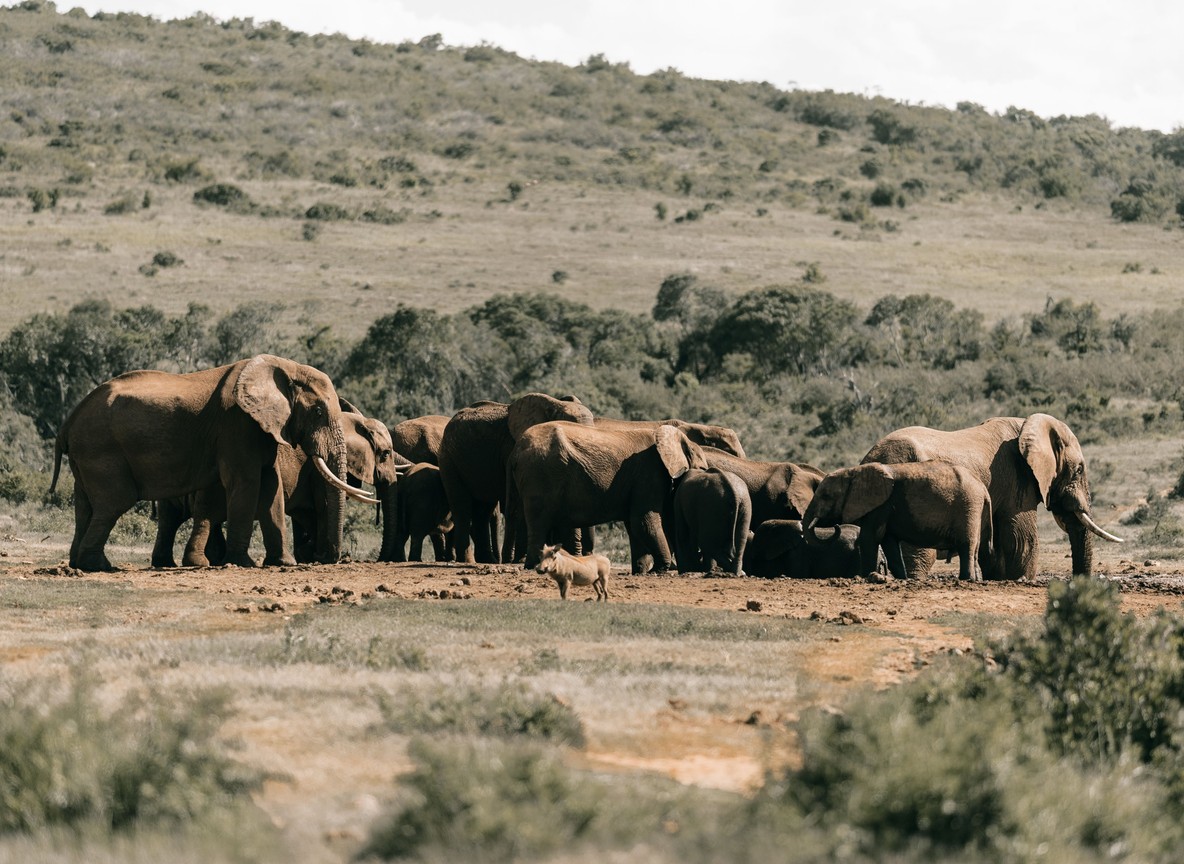
In late July 2026, Kenyan outlets including nation.africa reported a cluster of elephant deaths inside Amboseli National Park. The deaths happened over a short window. Reported figures varied by source: nation.africa cited 14 dead elephants, while KWS put the number near 15. KWS opened an investigation into a suspected illness affecting the herd. Investigators are not pointing to poaching or a single confirmed cause.
On August 6, 2026, Kajiado County pushed back publicly on the KWS toll. The county disputed the official count and declared Amboseli a “One Health Emergency.” That framework treats wildlife, livestock, and human health as connected, rather than as separate issues. As of this writing, the exact cause of death has not been confirmed publicly, and the investigation is ongoing.
Is Amboseli Still Open and Safe to Visit
Yes. There has been no park closure, and no advisory has restricted tourist access to Amboseli National Park. The reported deaths are being treated as a wildlife health and disease-investigation matter. They are not being treated as a security or public-safety threat to visitors on game drives.
That distinction matters. A mass elephant die-off is a serious conservation story, and it deserves real concern. It is a different category of event from something like civil unrest or a road-safety advisory. Those situations would actually change whether you should travel. Nothing published so far suggests visitors are at personal risk by entering the park.
What Could Actually Affect Your Trip
| Factor | What’s confirmed | What it means for you |
|---|---|---|
| Park access | Open, no closure reported | Game drives proceed as normal |
| KWS entry fee | \$90/day, non-resident adult (2026 rate) | No fee change reported tied to this event |
| Elephant sightings | Herd movement may shift near affected zones | Guides route around any cordoned-off area |
| Cause of deaths | Under investigation, suspected illness | Re-check status closer to your travel date |
| Official toll | Disputed (KWS ~15 vs. county figures) | Treat exact numbers as unconfirmed |
How This Compares to Amboseli’s Past Die-Offs
Amboseli has a documented history of periodic elephant mortality tied to drought. This has happened most notably during the severe East Africa droughts that hit the region in past cycles. The Amboseli Trust for Elephants has run continuous individual-elephant monitoring here for decades. It has recorded die-offs before, when swamp levels dropped and forage thinned across the ecosystem. Those earlier events were generally linked to starvation and water stress rather than a fast-moving illness.
What makes the current cluster different is the timeline. Reports describe a comparatively short window in late July 2026. That timeline explains why KWS is investigating a suspected illness, rather than treating it as a slower drought-driven decline. A tight cluster of deaths over days, rather than weeks, tends to point investigators toward disease. Other suspects include contaminated water or a toxic plant source. None of those causes have been confirmed publicly.
Why Amboseli Is Prone to This Kind of Event
Amboseli’s ecosystem is unusually dependent on a small number of swamps fed by underground water from Mount Kilimanjaro’s snowmelt. It relies far less on rivers or consistent rainfall. The dry season concentrates wildlife around Enkongo Narok, Olokenya, and the other permanent swamps. Elephants, buffalo, and other large mammals then crowd into a smaller area, tighter than in parks like Tsavo East or the Maasai Mara. This crowding raises the risk that a waterborne illness or contaminated forage spreads through a herd quickly once it starts.
This is also why Amboseli has a long research history. The Amboseli Trust for Elephants has tracked individually identified elephant families here since the 1970s. That work gives researchers unusually detailed baseline data to compare against when something like this happens. This existing monitoring is part of why an illness cluster gets flagged and investigated fast, rather than going unnoticed.
How to Plan a Trip Right Now
If you already have Amboseli booked, keep the reservation. Ask your camp or operator for a status update roughly two weeks before arrival. Most lodges inside and around the park, including areas near Kimana Gate and Meshanani Gate, are following the story closely. It affects their own guest questions.
If you are still deciding where to go, consider these adjustments:
- Ask your camp directly whether rangers have flagged any part of the park as temporarily off-limits to vehicles.
- Build in a second park on the same itinerary. Tsavo West, roughly 3-4 hours by road from Amboseli via the Chyulu Gate area, works well. That way, your trip isn’t dependent on a single ecosystem.
- Avoid drinking or camp water drawn directly from swamp-adjacent sources without treatment, standard safari practice regardless of this story.
- Follow KWS and Kajiado County statements, not secondhand social media summaries. The toll and cause are still contested between sources.
Booking Flexibility Worth Asking About
Most established camps and operators in the Amboseli region will offer some flexibility on dates or itinerary changes. They’ll do this while a story like this is developing, even without a formal advisory forcing their hand. It costs them nothing to reassure a nervous guest, and it protects a booking they’d otherwise risk losing to cancellation. Before you assume you need to rebook elsewhere, ask directly what your specific camp is seeing on the ground. Then find out whether they’ll hold your dates. Most will, if you want a week or two for more clarity from KWS.
If you’d rather not wait, pairing Amboseli with a second ecosystem on the same trip is a reasonable hedge. That’s true regardless of this story. Amboseli sits roughly 240 km southeast of Nairobi by road. That’s about a four to five hour drive via the Namanga or Emali routes. By air, it’s a 35 to 45 minute flight from Wilson Airport into Amboseli Airstrip. Tsavo West is close enough to combine on the same loop. Nairobi National Park works as a short bookend trip if your schedule is tight.
Explorer Notes
A few things worth knowing if you are on the ground in Amboseli in the coming weeks. Guides who work the park daily generally know within a day or two. They’ll know if rangers have cordoned off a specific swamp or corridor. Ask your driver-guide directly, rather than relying on what you read online before departure. Observation Hill is one of the few spots where visitors can leave the vehicle. It remains a reliable place to view herd movement across the swamp basin from a distance. From there, you can see how the elephants are behaving without approaching affected areas. If you’re booking last-minute, camps closer to Kimana Gate tend to have more flexibility on rebooking dates than fly-in-only properties. Road access makes date changes easier to accommodate.
What to Read Next
- Amboseli National Park 2026 planning guide
- Amboseli park fees guide
- Amboseli vs Tsavo: which park fits your trip
FAQ
Is it safe to travel to Amboseli right now? Yes, based on everything reported so far. The park remains open. Those elephant deaths are being treated as a wildlife health investigation, not a threat to visitor safety.
How many elephants actually died? Reports differ. Nation.africa cited 14 deaths, and KWS cited approximately 15. Kajiado County has disputed the KWS figure as part of its “One Health Emergency” declaration. Treat any specific number as unconfirmed until KWS publishes a final report.
What caused the elephant deaths? KWS has not confirmed a cause publicly as of this writing. The investigation points toward a suspected illness rather than poaching, but no official finding has been released.
Will this affect my safari itinerary? Most likely not. If rangers have restricted access to a specific area, your guide will route around it. Ask your operator for a pre-departure update if you want extra reassurance.
What does “One Health Emergency” mean? It’s a public health framework that treats animal, environmental, and human health as connected. Kajiado County’s declaration signals it wants a coordinated investigation across wildlife and community health. It does not mean there’s an active risk to tourists.
If you’re ready to plan around this, Touring Insights recommends starting from the site’s Tour Packages page. There you can compare Amboseli itineraries against multi-park options and check current availability with named partner operators.
Further reading
More safari planning resources
- Amboseli map and guide from SafariPure
- Map of Amboseli from Valley Safaris
- Amboseli National Park guide on Touring Insights
- Amboseli destination guide on FindMySafari
Related guides: Amboseli Elephant Research: How Five Decades of Field Science Protects the Herds, Best Month for Elephant Photography in Amboseli.